
 By admin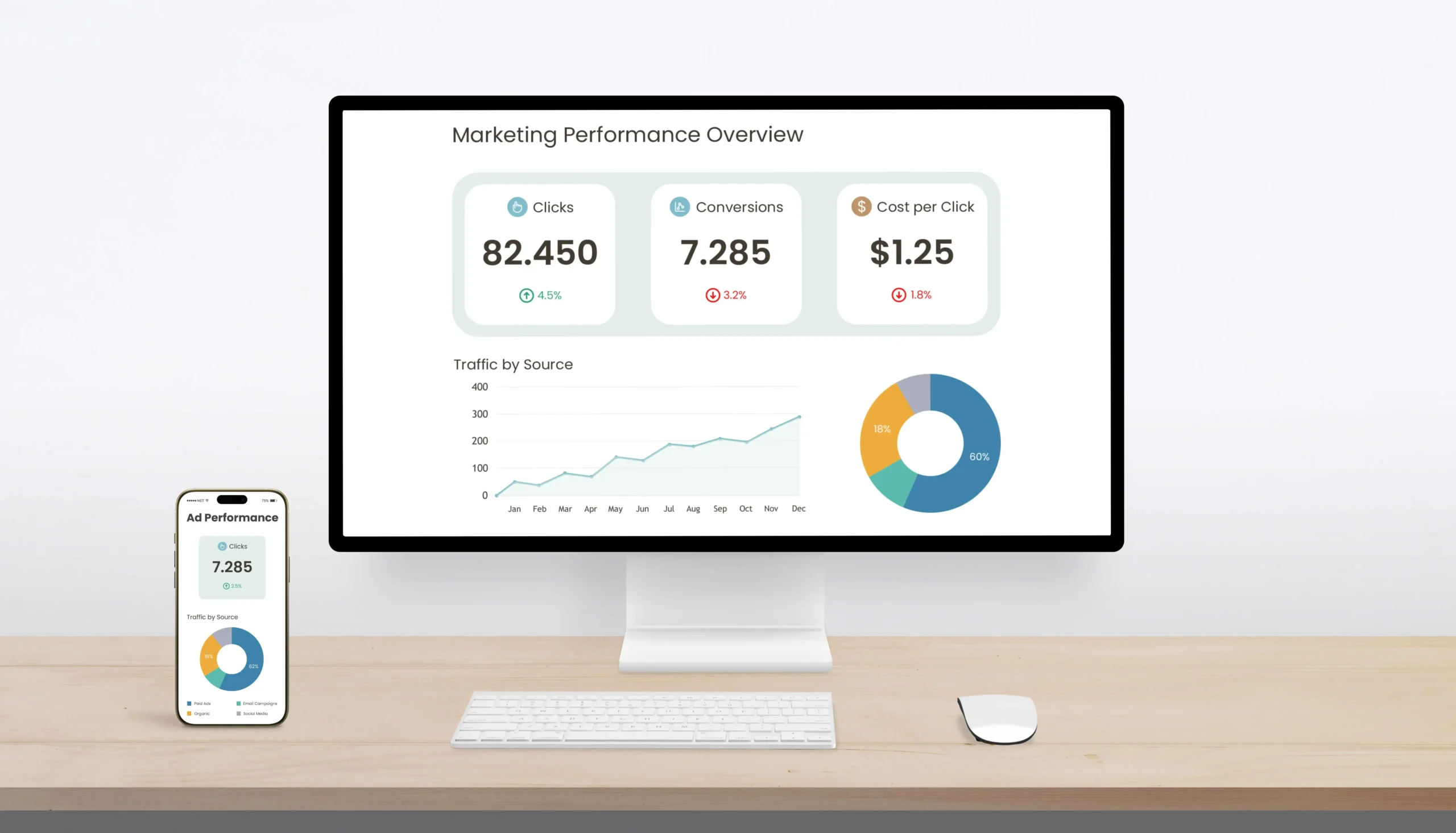
A digital performance agency helps brands grow through marketing efforts that are tracked and measured. Instead of focusing mainly on visibility, it aims for actions that affect business outcomes such as sales, sign-ups, or booked services. This approach gives brands clearer direction and more dependable results.
What Makes a Digital Performance Agency Different
A digital performance agency works with a results-first mindset. Every campaign is tied to a goal that can be measured, which keeps the work focused and easier to improve. The team also uses data more actively. They study performance patterns, audience behavior, and cost efficiency to guide the next steps.
This type of agency also handles several parts of digital marketing at once. Media buying, creative work, and optimization are treated as connected tasks rather than separate services. This allows the team to adjust quickly when performance shifts. Traditional digital marketing companies may concentrate more on brand presence or long-term visibility. A performance agency concentrates on outcomes that can be tracked and linked directly to growth.
Core Services That Drive Faster Growth
Here are the primary services agencies provide and how each one contributes to stronger results:
Performance Media Buying
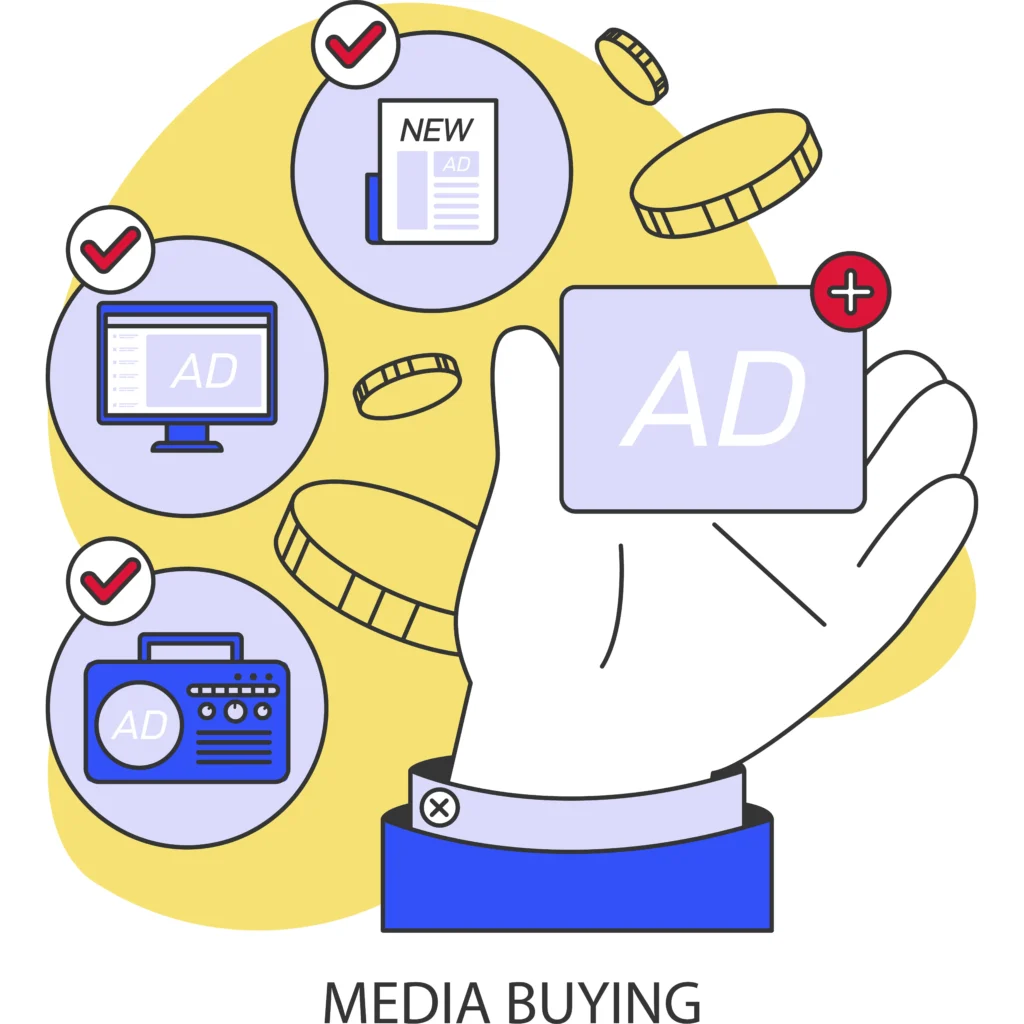
Performance media buying places ads across channels where potential customers are most active. Paid search through Google ads reaches people who are looking for information or products related to the brand. Paid social media advertising on Meta platforms helps reach audiences based on interests and behavior. Programmatic advertising distributes ads across many websites and apps through automated systems.
Each channel provides different strengths. When managed together, solutions like Mobile Tours Services help brands maintain steady exposure while controlling spending. The goal is simple: reach the right people at the right time and encourage them to take the next step.
Creative Strategy and Testing
Creative strategy shapes how a brand communicates in its ads. A performance agency develops messages and visuals that match the preferences of the intended audience. The focus is on clarity, relevance, and how quickly the message can be understood.
Testing is a major part of this process. The team often compares different versions of ads to see which one performs better. Changes may include adjusting a headline, swapping an image, or refining a call to action. These updates help the campaign stay competitive as the audience’s behavior shifts.
Conversion Rate Optimization
Conversion rate optimization improves how well landing pages and website sections perform. The agency studies how users move through a page and identifies points where interest drops. Fixes may include adjusting layout, reorganizing information, or making forms easier to complete.
This process helps brands get more value from their existing traffic. When pages are smoother and easier to understand, customers are more likely to finish the action the business wants them to take.
Building Digital Marketing Strategies That Fit the Brand
A strong strategy guides the entire performance effort. A digital performance agency builds this plan by studying who the brand wants to reach and how those people typically engage online. This includes reviewing past campaign data, customer behavior, and current market conditions.
The strategy usually covers several key elements such as:
- Target audience definition
- Channel selection
- Creative direction
- Budget allocation and pacing
These components help shape a plan that matches the brand’s goals. The strategy also helps the agency stay focused when new opportunities or challenges appear.
After building the strategy, the agency applies it to daily campaign work. This ensures that each decision lines up with the plan and supports the goals set earlier.
How a Digital Performance Agency Manages Your Media Investment
This part explains how a performance agency handles the ongoing work needed to keep campaigns on track.
Daily Optimization
Daily optimization helps campaigns stay efficient. The team checks performance trends, adjusts bids, reviews search terms, and shifts budgets toward stronger placements. Small changes like these help avoid wasted spending and keep campaigns aligned with targets.
Reporting and Tracking
Reporting shows how each campaign performs across different channels. A digital performance agency provides updates on cost per action, return on ad spend, conversion rates, and revenue impact. These reports give brands a clear view of where their money is going and what the outcomes look like.
Tracking also helps identify new opportunities. When a pattern appears in the data, the agency can react quickly and make improvements based on what the numbers show.
Long-Term Scaling
Scaling begins once campaigns show steady performance. The agency studies how much additional budget the campaign can support without hurting efficiency. This process may also involve adding new audience groups, trying fresh creative styles, or testing new channels.
Scaling requires careful timing. A performance agency expands campaigns only when the data suggests the brand can handle more traffic or volume without driving up costs unnecessarily.
Why Brands Grow Faster With Performance Marketing
Performance marketing supports faster growth because each part of the campaign is measured and refined in real time. The agency uses performance data to improve targeting, creative work, and landing page quality. These ongoing adjustments help brands respond quickly to changes in audience behavior or market conditions.
This approach also helps teams spend more effectively. Budgets can be shifted to stronger channels or paused on placements that no longer deliver. Over time, this creates a cycle of consistent improvement that supports long-term growth.
Choosing the Right Agency Partner
Selecting the right partner is important for steady progress. A good digital performance agency should be able to explain how it reviews data and how it plans to improve campaign results. It should also have clear experience with Google ads, Meta ads, programmatic platforms, and conversion rate optimization.
Here are a few questions that can help during evaluation:
- How do you define success for each campaign
- What steps do you take when performance drops
- How often do you review and adjust budgets
These questions can reveal how the agency works and whether its approach matches the brand’s needs.
Conclusion
A digital performance agency helps brands grow by shaping campaigns that are measured, optimized, and adjusted with purpose. Its focus on data, strategy, and ongoing improvements creates a clear path toward stronger digital marketing results and steady business growth.