
 By admin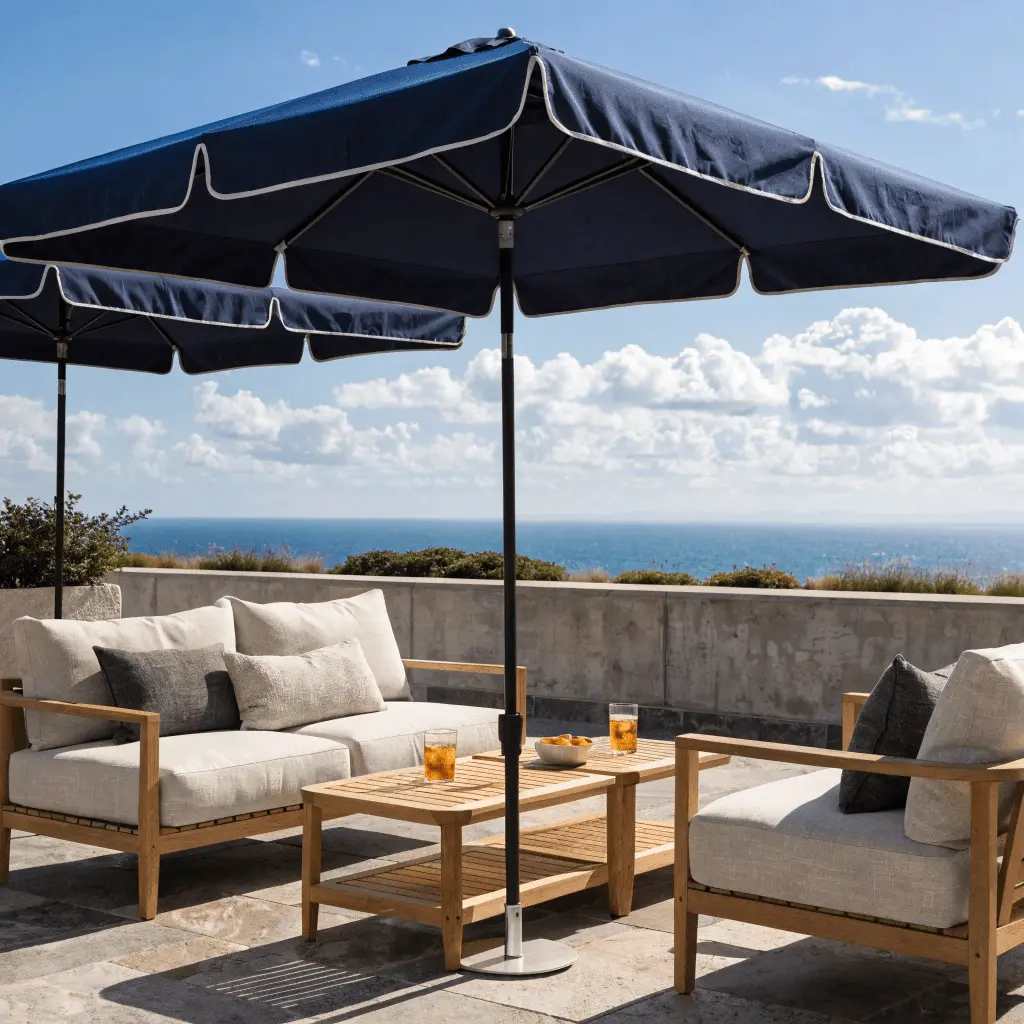
The first warm evening of spring, restaurant patios fill up as if the whole city had been waiting indoors for months. And they had. Outdoor seating is some of the most profitable square footage a restaurant owns, because it appears out of nowhere, costs little to run, and guests love it. The catch is that the season feels short, and every week of patio revenue lost to weather or worn-out furniture stings, which is why owners who buy commercial patio furniture built for the elements protect more of those weeks than the rest.
Smart operators have figured out how to stretch that season on both ends. A large part of the trick is the furniture itself. When a restaurant invests in outdoor seating built to handle temperature swings, sun, and the occasional cold snap, the patio opens earlier in spring and stays useful later into fall. The right seating turns a three-month window into a five- or six-month one.
Weather Is the Whole Game Outdoors
Indoor furniture lives a sheltered life. Outdoor furniture takes everything the sky throws at it: sun that fades and cracks, rain that pools and rots, and the freeze-thaw cycle that loosens joints over a winter. Residential patio pieces surrender to this fast. Commercial-grade outdoor furniture is built from the start to resist it.
The materials tell the story. Powder-coated aluminum shrugs off rust and stays light enough to rearrange nightly. All-weather resin wicker resists UV fading. Teak and other dense hardwoods weather gracefully instead of falling apart. Choosing furniture rated for the outdoors is the difference between reopening the patio each spring and rebuying it.
Materials That Buy You Extra Weeks
The season stretches when the furniture doesn’t flinch at a chilly morning or a damp evening. A few material choices do most of the heavy lifting here:
- Powder-coated aluminum frames that resist corrosion and warm quickly in sun
- Synthetic all-weather wicker that holds color through seasons of UV exposure
- Marine-grade hardware and fasteners that don’t seize or rust
- Quick-dry foam cushions with water-resistant covers for cooler, damper days
That last one matters more than owners expect. A cushion that dries fast after morning dew means the patio is usable at brunch instead of waiting until noon. Small gains like that add up across a season.
The Aluminum Advantage in Shoulder Seasons
Aluminum earns its reputation in the tricky weeks of early spring and late fall. It’s light, so staff can pull tables in fast when a storm rolls through and set them back out when the sun returns. It doesn’t rust, so a wet March morning doesn’t leave streaks. And it heats up in the sun, which makes an April afternoon feel warmer than the thermometer suggests.
Its durability keeps the math friendly, too. A well-finished aluminium frame holds up through years of seasons, so the investment spreads across a long service life rather than getting rebought every couple of springs. For an operator running a tight patio budget, that longevity is the quiet win.
Adding Warmth to Push Later Into Fall
Furniture alone can only take a patio so far into the cold. Operators that really extend the season couple long-lasting seating with a few warmth-adding tricks. Patio heaters make an October evening a bit less nippy. Windbreaks and partial enclosures keep the frost out, but maintain the open-air feel that guests came for.
And seating options back this up. Booths and banquettes built for outdoor use provide diners with an enclosed, warmer area than an open chair in a breeze. On cooler nights, cushions provide insulation and comfort. The furniture and warmth strategy combine such that a patio that shuts down in September can comfortably roll into late October.
Flexibility Keeps the Patio Earning
The best patios aren’t static set-ups. The weather outside is ever-changing and movable furniture allows staff to react quickly. Lightweight, stackable pieces may be brought in before a deluge and redeployed the second the sky clears, so the patio loses fewer serving hours to a passing storm.
Reconfigurable seating also helps a patio host varied crowds throughout the day. Small tables for brief lunches become rows pushed together for a group meal. Movable furniture means the same square footage profits from brunch through late dinner, which is exactly the flexibility a short-season patio needs to pay for itself.
Stretching a Short Season Into a Long One
When the furniture is behaving, patio revenue is almost like found money. no rent and overhead is negligible and guests will willingly pay full price to eat beneath the open sky. The only real limitation is how many weeks of the year the area is pleasant and welcoming, and that limitation is determined in large part by what the guests are sitting on.
A patio furniture operator who views their equipment as a seasonal investment, rather than a disposable afterthought, unlocks weeks of additional service on both ends of the year. Tough frames, weatherproof materials and a clever plan for warming make a brief summer window a long productive season. The patio, of course, was going to be popular. If built correctly, it can also be open much longer than the rival down the street.