
 By admin
Esports communities have rapidly evolved into dynamic digital ecosystems where players, creators, and fans converge to exchange knowledge, develop skills, and engage in both competitive and casual gameplay that fosters personal growth, technical expertise, and social interaction. In these vibrant communities, individuals are not only entertained but also provided with a structured environment that encourages the cultivation of communication skills, strategic thinking, emotional intelligence, and resilience. For many participants, particularly younger members, these communities serve as essential incubators for discovering hidden strengths, exploring leadership potential, and developing self-confidence through collaborative activities, tournaments, mentorship programs, and informal networking opportunities that mimic real-world organizational dynamics
Collaborative Environments That Strengthen Self-Confidence
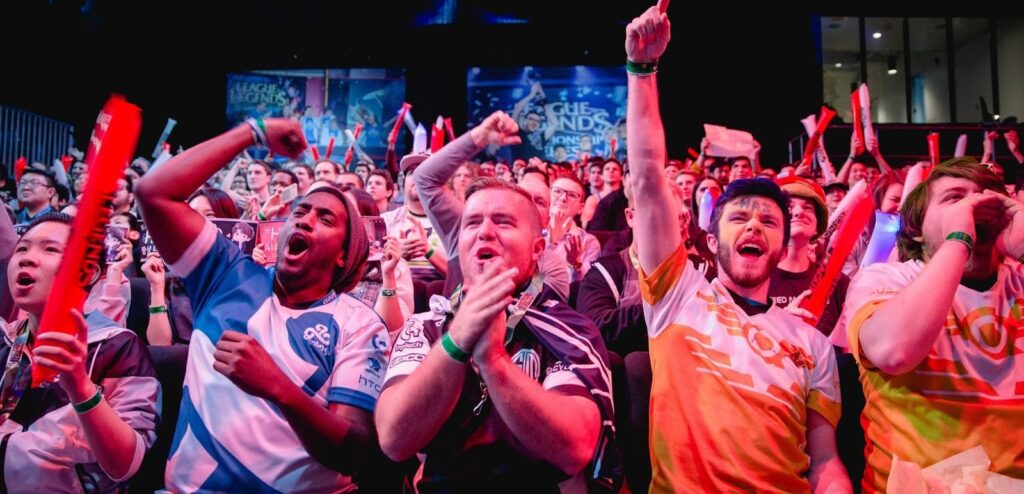
Esports communities thrive on cooperation, shared learning, and peer-to-peer mentorship, creating collaborative environments where individuals are encouraged to actively participate, voice their ideas, and take ownership of group outcomes. Within these settings, players engage in team-based activities, practice sessions, and strategic planning exercises that require ongoing communication, critical thinking, and problem-solving. Such engagements naturally facilitate the development of self-confidence as players are given opportunities to experiment with new tactics, contribute to collective decisions, and receive constructive feedback that highlights both strengths and areas for improvement. The iterative process of attempting strategies, analyzing outcomes, and refining approaches fosters resilience, adaptability, and a growth mindset that can extend beyond gaming into educational, professional, and personal contexts.
One important facet of these environments is the exposure to structured competitive events such as cs2 events, which serve as practical demonstrations of skill progression, strategic execution, and performance analysis. The discussion of these events often integrates real-time assessments, community commentary, and collaborative review sessions that reinforce the importance of accountability, initiative, and reflective learning, making them invaluable for building confidence and situational awareness within a supportive community framework. By engaging in these collaborative structures, participants learn to value their contributions, trust their judgment, and navigate social dynamics, which collectively enhance their capacity to assume leadership roles and influence others in both digital and real-world contexts.
Competitive Experiences That Encourage Growth and Leadership
Competition serves as a core driver in esports, motivating players to continuously improve their skills, embrace challenges, and set measurable objectives that translate into tangible growth. Structured competitive frameworks, including ranked matches, tournament play, and seasonal leagues, provide participants with clear benchmarks for evaluating performance and identifying areas for development. Through repeated engagement with these frameworks, players cultivate discipline, time management, and perseverance, all of which are essential traits for leadership and personal development. An integral component of competitive play involves data-driven analysis, where participants review performance metrics, in-game statistics, and gameplay footage to refine strategies and optimize decision-making processes.
During these sessions, the use of cs2 live stats becomes a critical tool for understanding player behavior, tactical outcomes, and team coordination dynamics, offering a concrete foundation for discussion, critique, and mentorship. The integration of statistical analysis into competitive practice encourages analytical thinking, evidence-based problem solving, and strategic foresight, which are hallmarks of effective leadership. Additionally, high-pressure scenarios inherent in competitive environments promote emotional regulation, critical reflection, and the development of confidence in one’s decision-making abilities, enabling players to navigate complex social and professional landscapes with composure. Over time, these experiences foster not only technical mastery but also the soft skills necessary for influencing teams, guiding peers, and assuming positions of leadership in both gaming communities and broader digital ecosystems.
Mentorship and Skill-Sharing as Catalysts for Digital Leadership
Mentorship within esports communities functions as a powerful mechanism for nurturing emerging talent, fostering collaborative learning, and instilling leadership capabilities in both mentors and mentees. Experienced players assume roles as guides, educators, and role models, offering tailored advice, strategic insights, and practical tips that enhance the skill sets and confidence of newer members. This structured knowledge transfer encourages mentees to engage actively in self-assessment, practice reflective learning, and seek continuous improvement, thereby reinforcing their sense of agency and competence. Simultaneously, mentors hone their own leadership and communication skills, developing the ability to convey complex concepts clearly, provide constructive criticism, and motivate others to achieve shared objectives.
The cyclical nature of mentorship ensures that participants not only gain technical proficiency but also acquire critical social and emotional intelligence skills, including empathy, active listening, and conflict resolution. These competencies are directly transferable to real-world contexts, equipping community members to lead teams, manage projects, and navigate interpersonal dynamics with confidence and effectiveness. As mentorship relationships deepen, communities witness the emergence of peer leaders who are capable of shaping organizational culture, driving engagement, and inspiring collective achievement, solidifying the role of esports as a fertile ground for cultivating digital leadership talent and fostering a sustainable ecosystem of empowered individuals.
Community Activities That Build Social and Emotional Intelligence
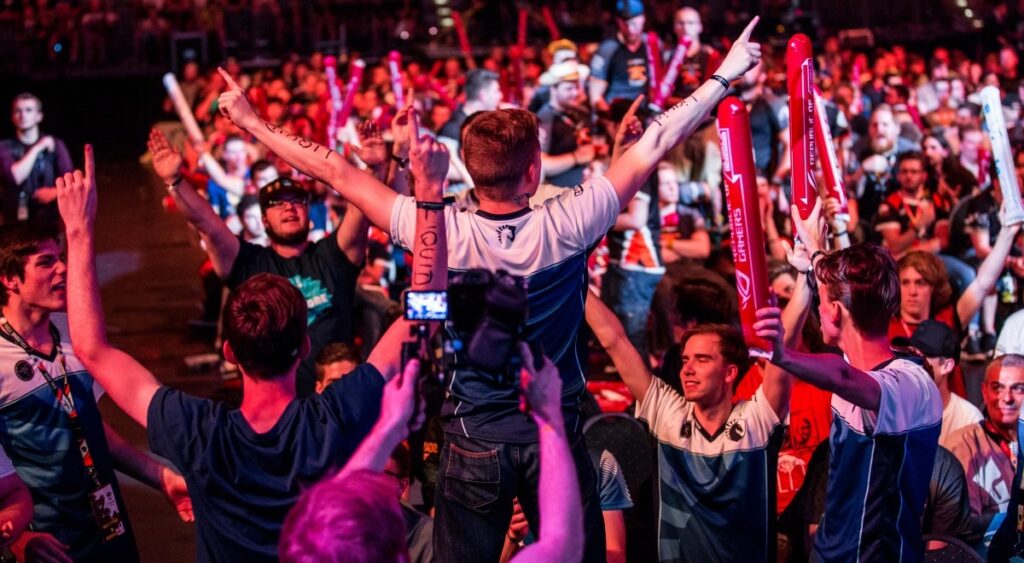
Esports communities extend beyond competitive play to include diverse social and cultural activities that enhance emotional intelligence, social cohesion, and collaborative problem-solving skills. Group discussions, fan-created content, online forums, collaborative events, and creative projects provide members with opportunities to interact, share perspectives, and develop mutual respect, fostering a sense of belonging and inclusion. Participation in these activities encourages members to navigate complex social situations, practice negotiation, mediate conflicts, and appreciate differing viewpoints, all of which are critical elements of emotional intelligence and leadership development.
Additionally, these interactions cultivate soft skills such as public speaking, teamwork, and project management, which are directly applicable to professional, academic, and digital leadership contexts. By engaging in community-driven initiatives, participants not only contribute to collective goals but also internalize key values such as responsibility, accountability, and resilience, thereby reinforcing self-efficacy and interpersonal competence. The immersive nature of these activities ensures that leadership development within esports communities is holistic, encompassing cognitive, emotional, and social dimensions that prepare members to take on leadership roles across digital platforms, professional environments, and social networks.
Conclusion
Esports communities play a transformative role in shaping individuals into confident, capable, and socially intelligent digital leaders. Through collaborative participation, competitive engagement, mentorship, and social interaction, players acquire a diverse range of skills that extend far beyond the gaming environment. They develop self-confidence, analytical thinking, emotional intelligence, strategic planning abilities, and effective communication skills, all of which are essential for leadership in the contemporary digital landscape. By leveraging the unique opportunities provided by esports communities, individuals are empowered to take initiative, inspire peers, and contribute meaningfully to collective goals, establishing a strong foundation for leadership both online and offline. As the global esports ecosystem continues to expand, its communities will remain critical in cultivating the next generation of digital leaders, equipping them with the knowledge, experience, and confidence necessary to navigate complex digital and real-world challenges.