
 By admin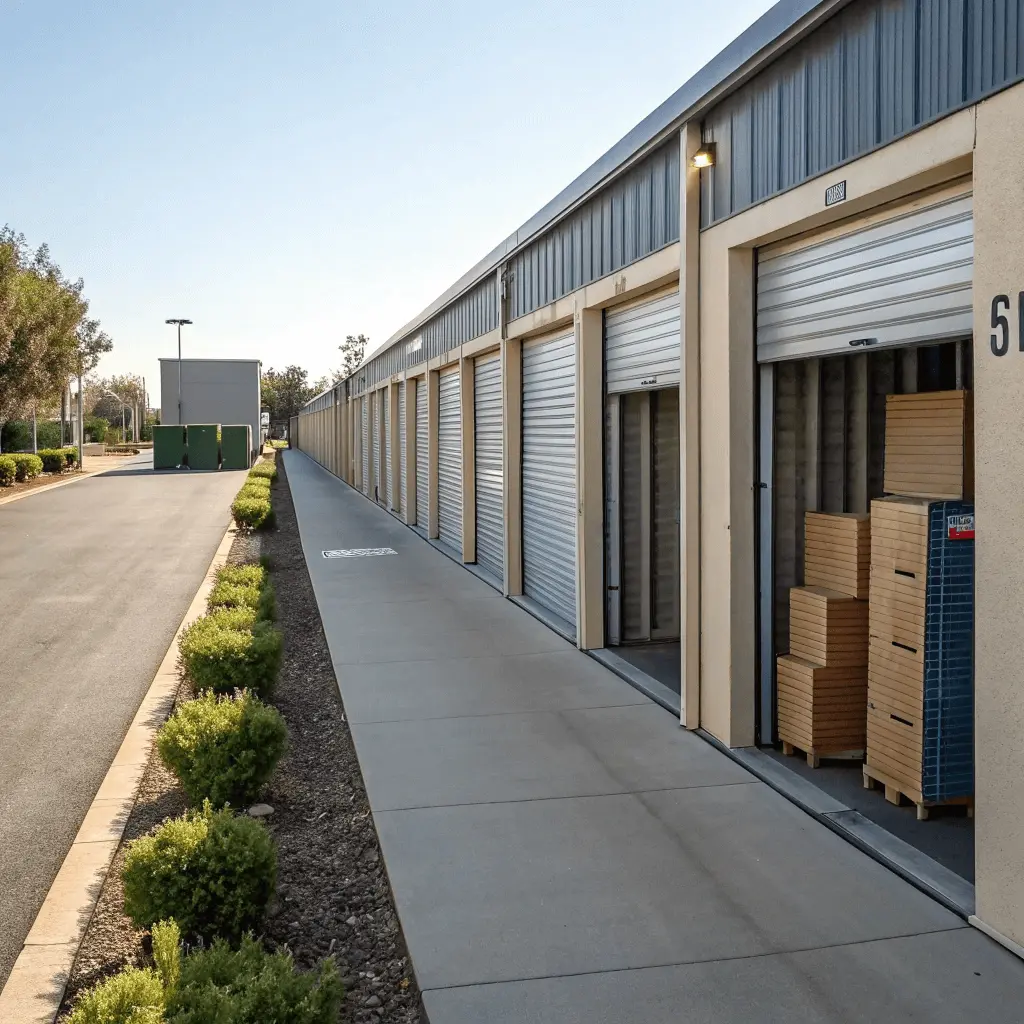
When it comes to selecting a storage unit, it’s essential to take into account various factors to ensure your items are stored safely and efficiently. Considering factors such as the type of storage unit, size and space requirements, location, security, and cost can impact your overall satisfaction with your storage solution. Making an informed choice can save money and time while providing peace of mind that your belongings are well-protected. In this article, we’ll explore these important considerations to help you find the right storage unit for your needs.
The Importance of Location and Accessibility in Storage Unit Selection
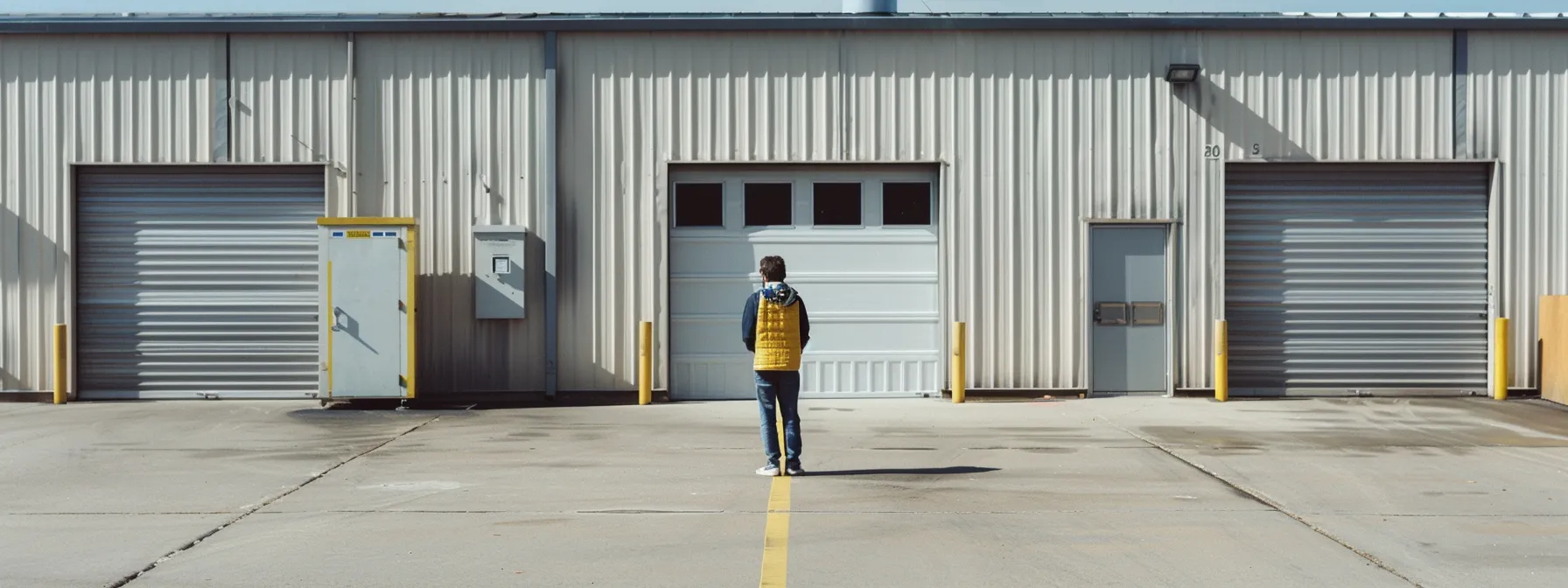
The location of a storage facility directly influences convenience and accessibility for users. A facility near your home or place of work can save time and transportation costs, especially if you need to access your stored items frequently. Additionally, consider traffic patterns and ease of access when visiting the storage unit – these can affect your overall experience far more than you might initially think.
Accessibility is not solely about how easily you can reach the facility; it’s also about how you access your unit. Facilities that offer around-the-clock access using secure entry codes may be beneficial if you have an unpredictable schedule. Conversely, units with restrictive hours can be difficult if you can only visit during evenings or weekends.
When choosing a facility based on location, it is also crucial to factor in the environment. For instance, a self storage unit near me located in a high-traffic area may offer convenience but could also mean a higher likelihood of wear and tear or exposure to pollution. In contrast, units in more secluded areas might offer fewer crowds but could raise security concerns.
Understanding the Different Types of Storage Units
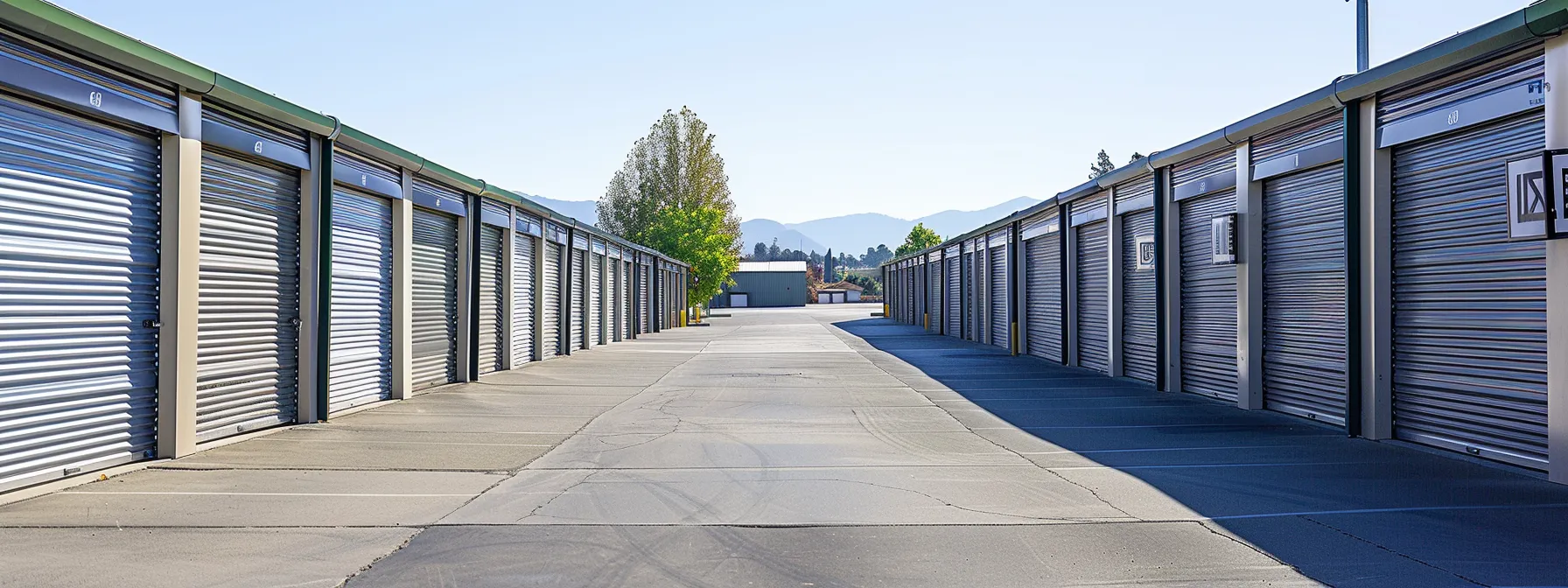
Before you rent a storage unit, it’s important to understand the various types available on the market. Climate-controlled units are ideal for sensitive items prone to damage from extreme temperatures or humidity, whereas standard units may suffice for items less sensitive to environmental conditions. Drive-up units offer convenience for loading and unloading, but may not protect against dust or pests as well as indoor units.
Indoor storage units, often found in multi-story buildings, offer additional protection from the elements and can sometimes provide better security features. Outdoor storage units, which are typically more accessible, can be a suitable option for vehicles or larger items that do not require temperature control. Additionally, some facilities offer specialized storage solutions, such as wine storage or document archiving services, to cater to unique needs.
Security Features and Insurance Options for Storage Units
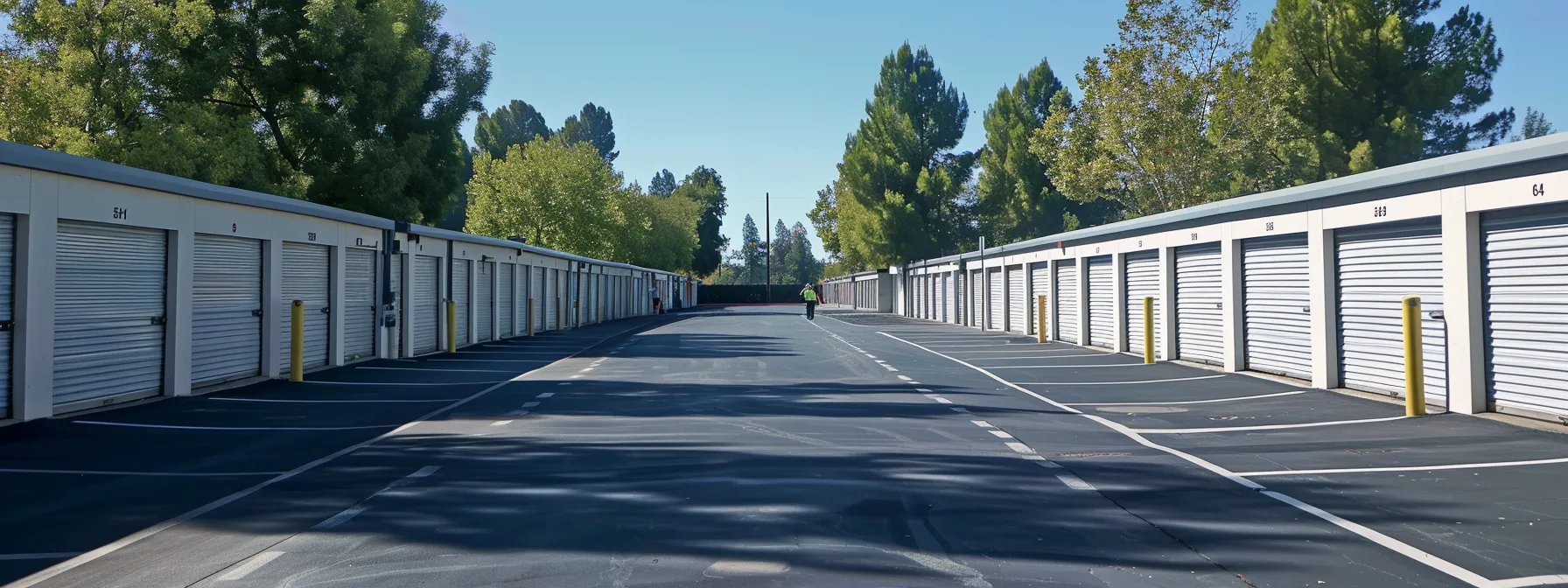
Security should never be overlooked when selecting a storage unit. Facilities outfitted with surveillance cameras, gated access, and individual alarms for each unit provide a greater level of protection against theft and vandalism. Ask the facility manager about their security measures and how they monitor the property. Taking these precautions helps ensure the safety of your possessions during their storage tenure.
In addition to security hardware, consider the staff’s presence at the facility. On-site management can deter potential security breaches and respond quickly to emergencies. It’s also important to inquire about the facility’s history of security incidents; a place with a solid track record is often more reassuring.
Comparing Costs and Contract Terms When Choosing a Storage Facility
Cost is a significant factor for many when selecting a storage unit. Comparing prices between different facilities and within the same facility for various unit sizes and types can help you find a storage solution that fits your budget. Be mindful of any initial offers or discounts, as these can change the cost over time. Some facilities offer a lower rate for the first few months, after which the price increases to the regular rate.
It’s also wise to consider additional fees that may be associated with the rental of a storage unit. These can include administration or setup fees, security deposits, and late payment fees. Understanding the complete cost structure will prevent any surprises and help you determine the actual cost of renting a storage unit.
Overall, when choosing a storage unit, it’s important to consider a variety of factors to ensure you are selecting the best fit for your requirements. Location, size, security, cost, and contract terms all play crucial roles in the decision-making process. By taking the time to evaluate each of these components, you can secure a storage solution that provides both value and protection for your personal or business assets.