
 By admin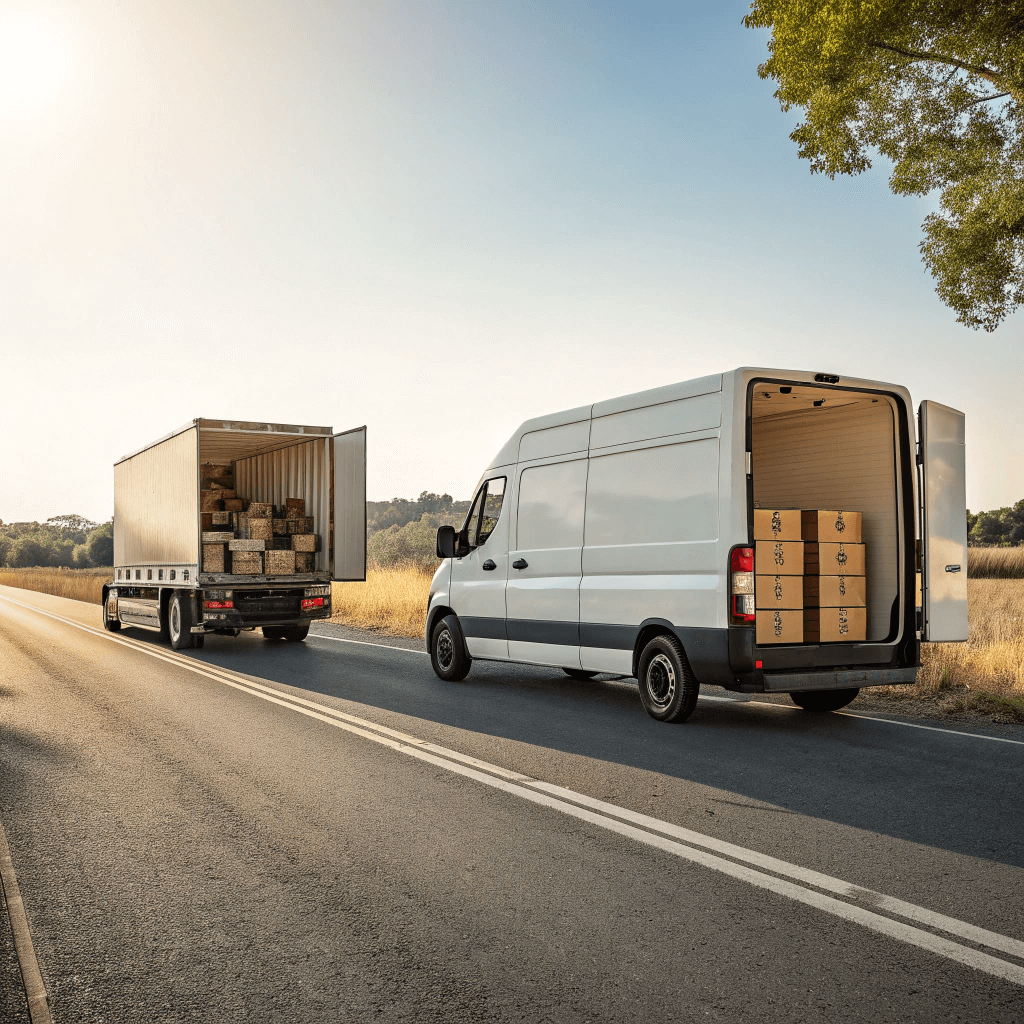
Transporting a vehicle takes time and tact. One such decision is to consider whether to ship via open or enclosed transport. There are pros and cons to both approaches. In this post, we will take a look at what the differences are and some important things to take into account to help you see which fits your needs best.
Understanding Open Transport
An open carrier is the one where vehicles move on a trailer with the outside exposed. This approach is quite popular among manufacturers, as it is economical. Open carriers, provided by Huntsville auto transporters, can transport multiple vehicles at once, thereby remaining a cost-effective option for both car dealerships and individuals. The advantage is that one can see the vehicles all the way up to the destination and inspect them once they arrive. They are usually called for normal automobiles and short distances. This is an economical way, but it does not shelter cars from weather, dust, or debris.
Advantages of Open Transport
One of the key advantages of an open carrier is that it is inexpensive. This method also reduces costs slightly by sharing space with other vehicles. Another benefit is availability, as there are typically more open carriers operating every day than enclosed ones, resulting in less waiting time. This is normally how most family cars, second-hand cars, and cars that need no special treatment are transported. They are always covered under insurance, so users can be at peace.
Disadvantages of Open Transport
With open trailers, cars are open to the elements like rain, snow, or road debris while being transported. There could be owners of high-value aristocratic and classical cars concerned with this risk. Dust and small marks may arrive, particularly on lengthier paths. Drivers might have even less control over vehicles on the trailer, which means that it could be entirely exposed to the elements.
Exploring Enclosed Transport
With enclosed transport, the vehicles will be secured inside a covered trailer, which protects them from weather and other dangers. This is a more secure method, so it is commonly used for luxury, classic, or rare models. An enclosed carrier can fit fewer vehicles, but that means more care and attention can be devoted to each one. Load boards commonly provide soft straps or wheel nets, which are less prone to causing scratches or other damage. It is pricier, but it appeals to owners who want some extra care.
Advantages of Enclosed Transport
Enclosed carriers, though, take the crown in terms of protection. Vehicles are protected from rain, sun, wind, and debris. This method is often preferred by owners of collectible or high-end vehicles to ease any worries. Drivers who deal with enclosed trailers are often specifically trained and are experienced in transporting high-value vehicles. With only a select few vehicles able to jump on the carrier at once, this means more controlled loading and unloading, which minimizes harm.
Disadvantages of Enclosed Transport
Higher costs is the main drawback. Though more expensive, enclosed transport provides greater protection and is of lower capacity. There are fewer enclosed carriers on the road at any given time, which may lead to a longer wait for scheduling. For common or second-hand automobiles, this might not be required, as low exposure is of little fear. That extra protection is not worth the inflated cost to some.
Key Considerations When Choosing
Take into account the value, age, and condition of the vehicle. Those with new, classic, or luxury vehicles often require extra protection. Normally, for a non-luxury vehicle, open transport can do just fine. Confirm shipping distance and weather alert during delivery. Closed options may be more suited to longer trips or when travelling through extreme climates. Budget is an important concern, so assess costs and services offered before making a choice. Finally, no matter how you choose your method, check what insurance coverage is included.
Making the Right Choice
Choosing the appropriate transportation comes down to personal priorities. For those looking for cost-effective and efficient transport, open carriers may be the way to go. People who own high-value vehicles that need the highest quality protection often select enclosed transport. Both methods can be just as safe if you choose the right companies. Evaluating your needs and looking into your available options is essential in securing a satisfying shipment experience.
Conclusion
Both open and enclosed transport have their advantages, and a thoughtful evaluation is needed when making a choice. Different needs are served by these approaches, and advantages and disadvantages are present in each. These differences help car owners choose the right option for their needs. Factoring in value, budget, and protection, you can confidently and knowledgeably select the right option for your vehicle.