
 By admin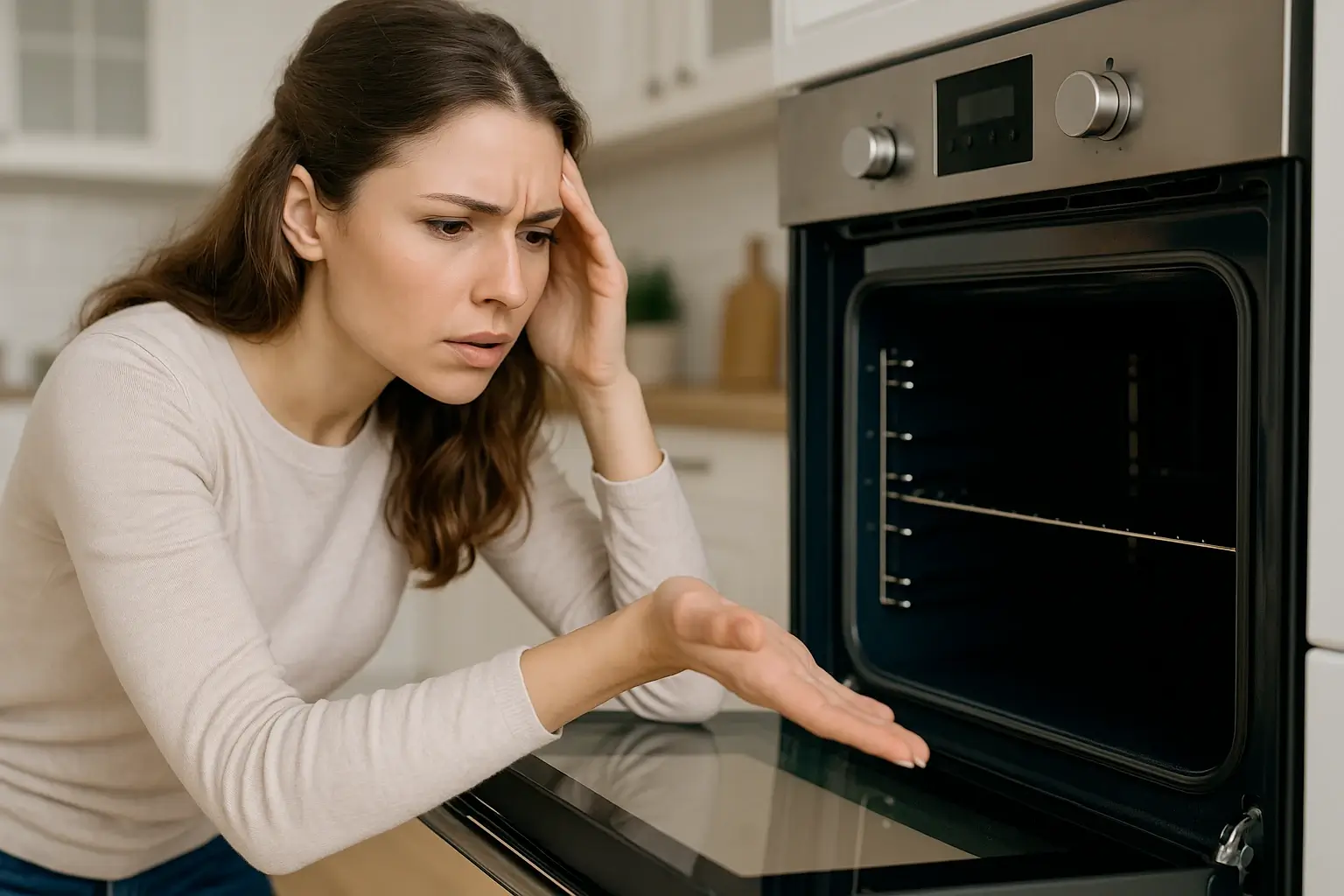
When an oven stops heating, shuts off mid-cycle, shows an error, or the flame goes out, most homeowners try to troubleshoot the issue themselves. This is acceptable if the problem is caused by minor and simple factors, such as:
- A tripped breaker in the electrical panel.
- A loosely closed oven door.
- A dirty gas igniter or ignition electrodes.
- A temporary electronic glitch.
- Low gas pressure or wiring issues.
But when an oven shows critical symptoms, DIY attempts can worsen the damage and even become dangerous — especially with gas appliances.
This guide is based on real repair experience from OK Appliance Repair – oven repair Charlotte, NC, whose technicians repair both electric and gas ovens daily across Charlotte and surrounding areas.
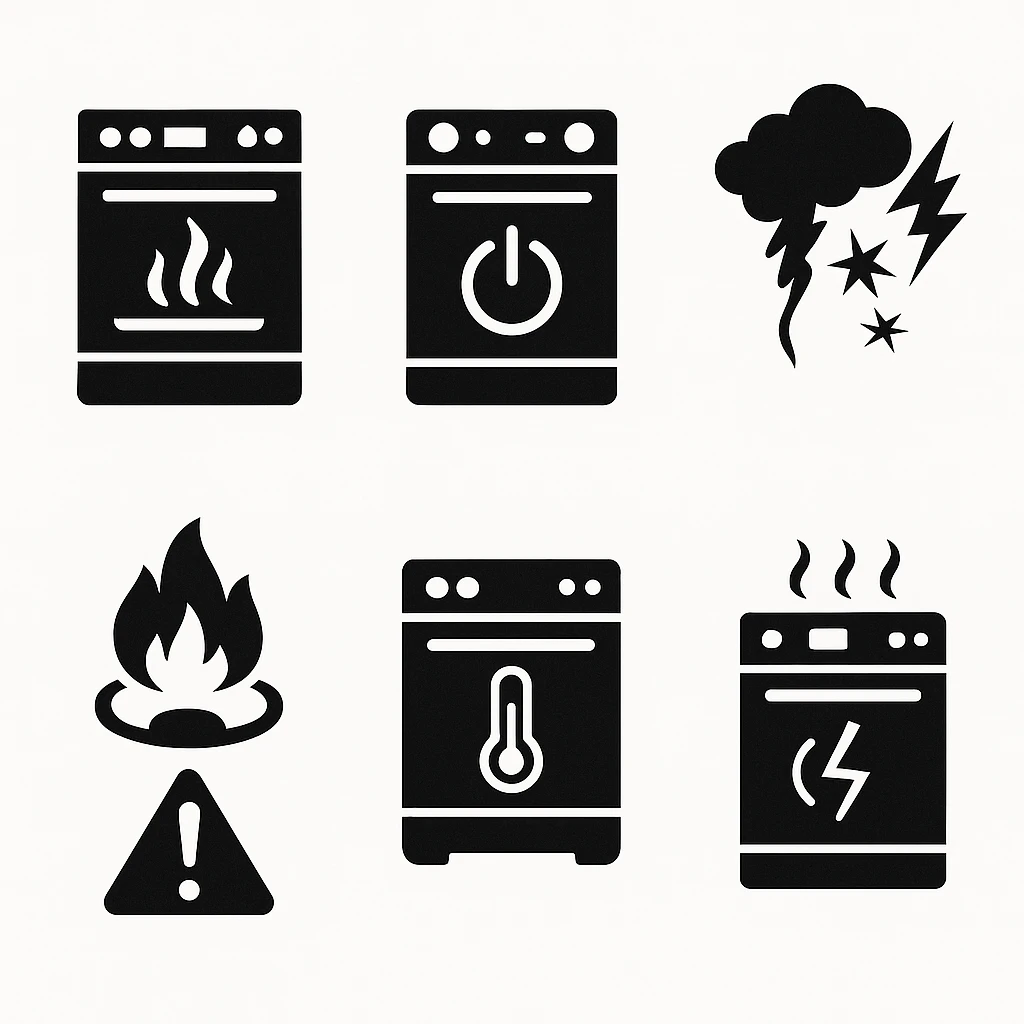
Critical Symptoms of Electric and Gas Ovens: When You Must Call a Technician
Below are the most serious warning signs that require immediate shutdown and professional inspection.
1. The oven does not heat or heats very poorly
For electric ovens, this may indicate:
- a burned-out heating element (bake or broil);
- a faulty thermostat or temperature sensor;
- a defective relay or control board.
For gas ovens, possible causes include:
- clogged burner jets;
- a faulty gas valve;
- ignition system failure;
- a bad thermocouple.
2. The oven will not turn on at all
Possible causes:
- a blown thermal fuse;
- damaged power cord or outlet;
- failed control board;
- faulty mode selector switch.
Gas ovens may also have a failed thermocouple or gas safety valve.
If the oven shows no signs of life, do not keep trying to turn it on. Professional diagnosis is required.
3. Burning smell, smoke, or sparks
This is mostly related to electric ovens and signals:
- short circuits;
- damaged wiring insulation;
- burned-out heating element;
- melted connectors.
IMMEDIATELY unplug the oven or switch off the breaker.
4. Gas smell from a gas oven
This is the most dangerous symptom.
Possible causes:
- gas leak in the supply line or internal connections;
- faulty thermocouple;
- defective gas valve;
- poor sealing inside the oven.
Shut off the gas supply, open windows, avoid electrical switches, and call a technician immediately.
5. The oven overheats
If the temperature rises far above the set level, you may have a faulty:
- thermostat;
- temperature sensor;
- control board relay.
Overheating is a fire hazard — stop using the oven.
6. The oven turns off by itself
This may be triggered by:
- overheating protection;
- a failing cooling fan;
- control board defects.
What to Check Yourself Before Calling a Technician
These steps are safe and may help identify simple issues.
1. Check the power supply (for electric ovens)
- Make sure the breaker has not tripped.
- Confirm the outlet and plug are not damaged.
- Ensure the oven is connected to a dedicated high‑power circuit.
2. Check the gas supply (for gas ovens)
- Verify the gas shutoff valve is open.
- Try another gas appliance to confirm gas availability.
- Weak flame may indicate low gas pressure.
3. Reset the oven
- Disconnect the oven from power for 3–5 minutes.
- Turn it back on — this often clears electronic errors.
4. Clean the burner or igniter (gas ovens)
- Remove soot from the igniter or burner.
- Ensure the flame is stable and blue.
5. Inspect the oven door
A loose or partially closed door can prevent heating because of safety sensors.
If you smell gas or notice electrical issues — stop troubleshooting and call a technician immediately.
📞 What to Tell the Technician When Requesting Service
Clear information helps the technician prepare the right parts and tools.
Provide:
- Brand and model of the oven (found on the door frame sticker).
- Type of oven: gas or electric.
- Symptoms: won’t turn on, not heating, shutting off, gas smell, sparks, error codes.
- Unusual noises, smells, or visible damage.
- Error code, if displayed.
- When the issue started and under what conditions.
Technician’s advice: The more details you provide, the faster the repair. But if you’re unsure — don’t worry. A qualified technician from OK Appliance Repair Charlotte will diagnose the issue on-site.
When It’s Better to Replace the Oven Instead of Repairing It
Replacement should be considered if:
- Repair costs exceed 50% of the price of a new oven.
- The oven is 12–15+ years old and has recurring issues.
- Expensive parts are required (control board, gas valve, convection motor).
- The oven cavity or frame is rusted or damaged.
- Problems return after multiple repairs.
If you’re unsure whether to repair or replace, a technician from OK Appliance Repair Charlotte can perform a full diagnostic and recommend the most cost‑effective solution.